
Beyond the standard game drive — private conservancies, fly-in camps, and exclusive wildlife encounters that define the ultimate African safari.
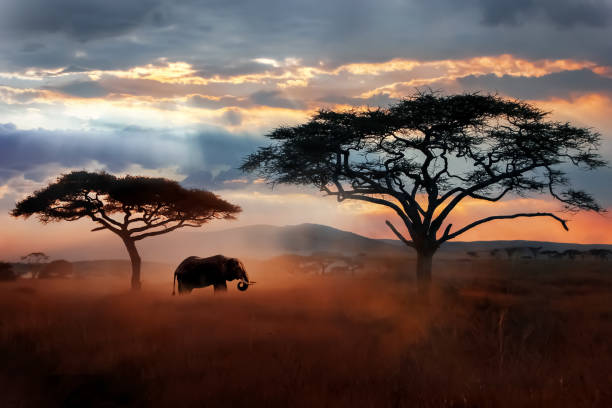
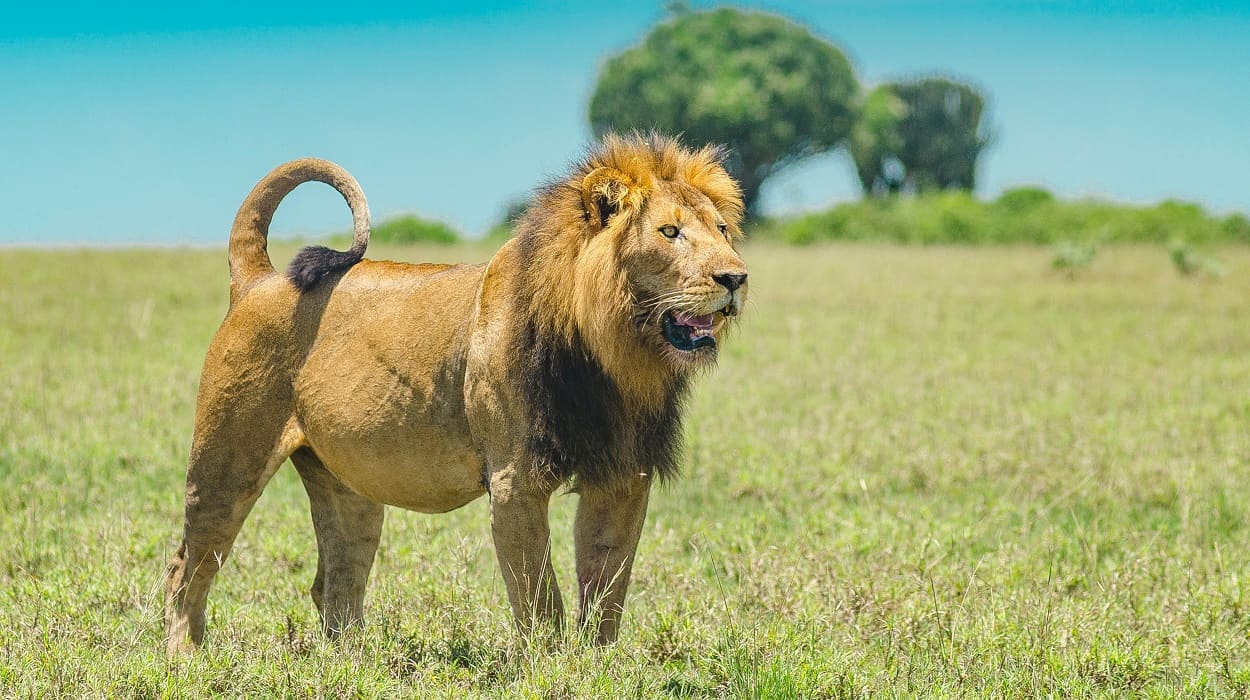
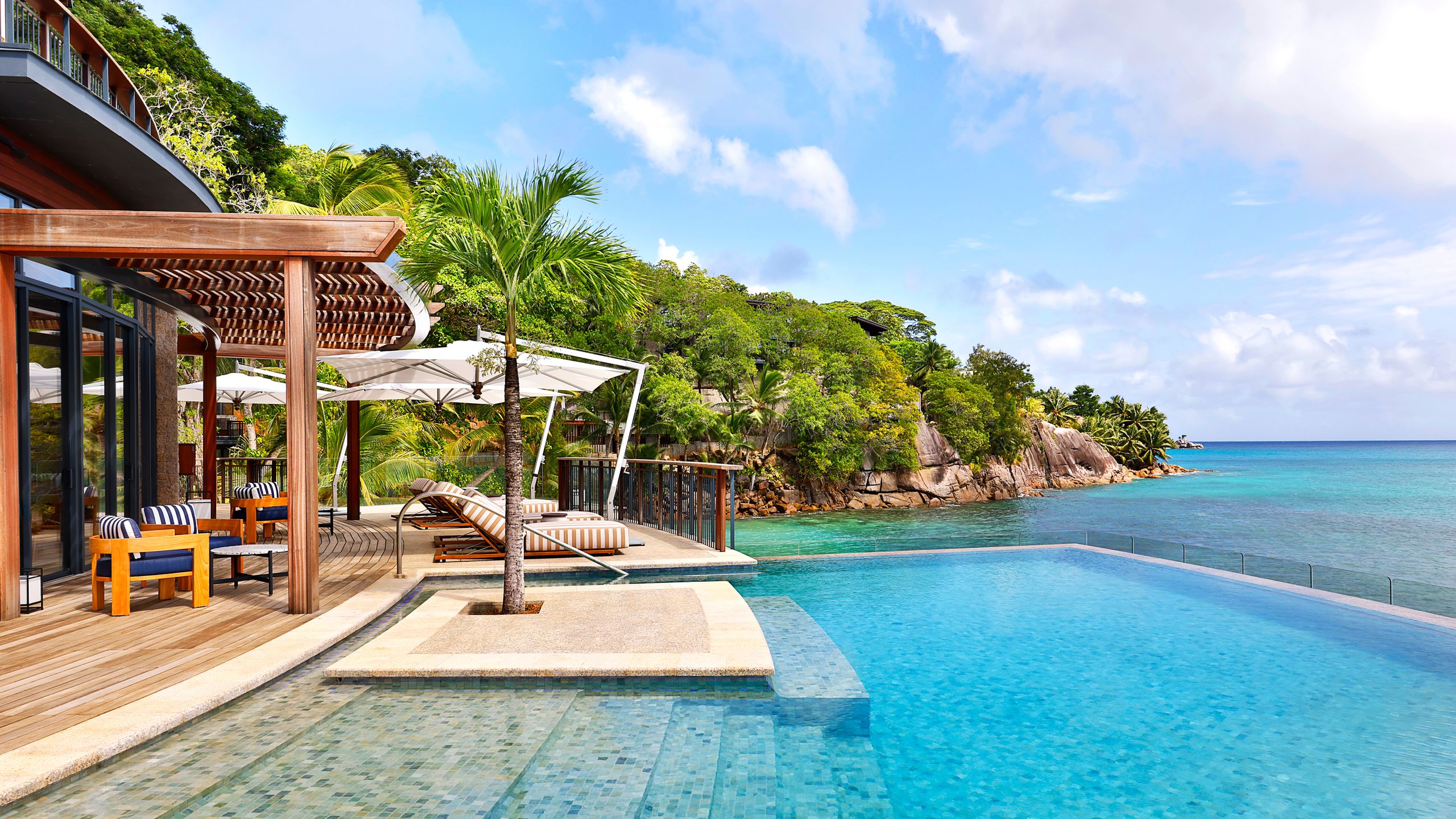
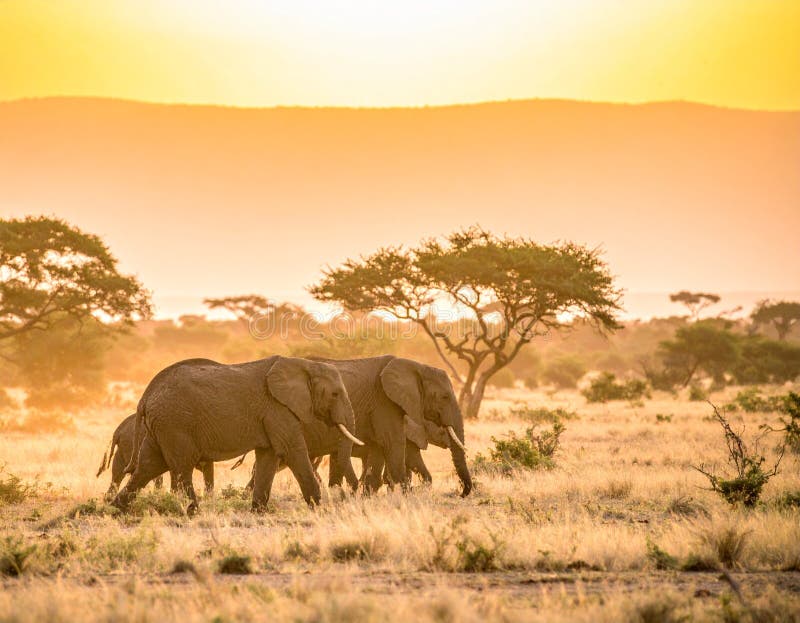
The word 'safari' comes from the Swahili for 'journey', and the finest African safaris are exactly that — journeys of discovery that reveal not just the continent's extraordinary wildlife, but its landscapes, cultures, and the extraordinary people who have dedicated their lives to its conservation. The difference between a good safari and a great one is not merely the quality of the lodge — it is the depth of the experience.
The Private Conservancy Advantage
The most exclusive safari experiences take place not in national parks but in private conservancies — vast tracts of land adjacent to or surrounding the parks, where vehicle numbers are strictly controlled and off-road driving is permitted. In Kenya's Laikipia Plateau, for example, a handful of private conservancies offer game viewing that rivals the Masai Mara with a fraction of the visitors. In Tanzania's Selous Game Reserve — Africa's largest protected area — private camps operate in near-total solitude.
"The best safari is the one where you feel completely alone in the wilderness. Private conservancies make that possible even in Africa's most famous destinations."
— Anastasia Nechaeva, Just Travel Concierge
The Great Migration: Timing is Everything
The Serengeti-Mara ecosystem hosts the world's greatest wildlife spectacle: the annual migration of 1.5 million wildebeest, 200,000 zebra, and 350,000 gazelle. The river crossings — where the herds plunge into the Mara River, pursued by enormous Nile crocodiles — are the defining images of African wildlife. But the migration is a year-round event, and each season offers different experiences. January to March brings the calving season in the southern Serengeti — 8,000 wildebeest born every day. June to July sees the herds massing in the Western Corridor before the dramatic Grumeti River crossings.
Beyond the Big Five: Specialist Experiences
- Mountain gorilla trekking in Rwanda's Volcanoes National Park — one of the most profound wildlife encounters on earth
- Desert-adapted lion tracking in Namibia's Skeleton Coast — wildlife photography at its most dramatic
- Chimpanzee habituation in Uganda's Kibale Forest — spending a full day with a wild chimpanzee family
- Whale shark snorkelling in Mozambique's Quirimbas Archipelago — the ocean's gentle giants in pristine waters
- Painted wolf (African wild dog) tracking in Zimbabwe's Mana Pools — the continent's most endangered predator
- Shoebill stork expedition in Uganda's Mabamba Swamp — the prehistoric bird that looks like a dinosaur
Concierge Tip
The best safari camps book 12–18 months in advance for peak season. Our Africa specialists can advise on the optimal timing for your specific interests — whether that's the Great Migration, gorilla trekking, or the green season when the bush is lush and the birds are extraordinary.